Monday, February 22, 2016

Message from the Commissioner, Guidance and Counselling

Ministry of Education and Sports
Proposed 2026 Digital Edition

Guiding Every Learner Towards a Purposeful Future

Career guidance must help every learner understand who they are, discover what they can become, develop relevant skills and make informed choices in a world of rapidly changing education, technology and work.
Publication note: This refreshed message has been prepared as a proposed contemporary digital edition for review and approval by the office of the Commissioner, Guidance and Counselling.
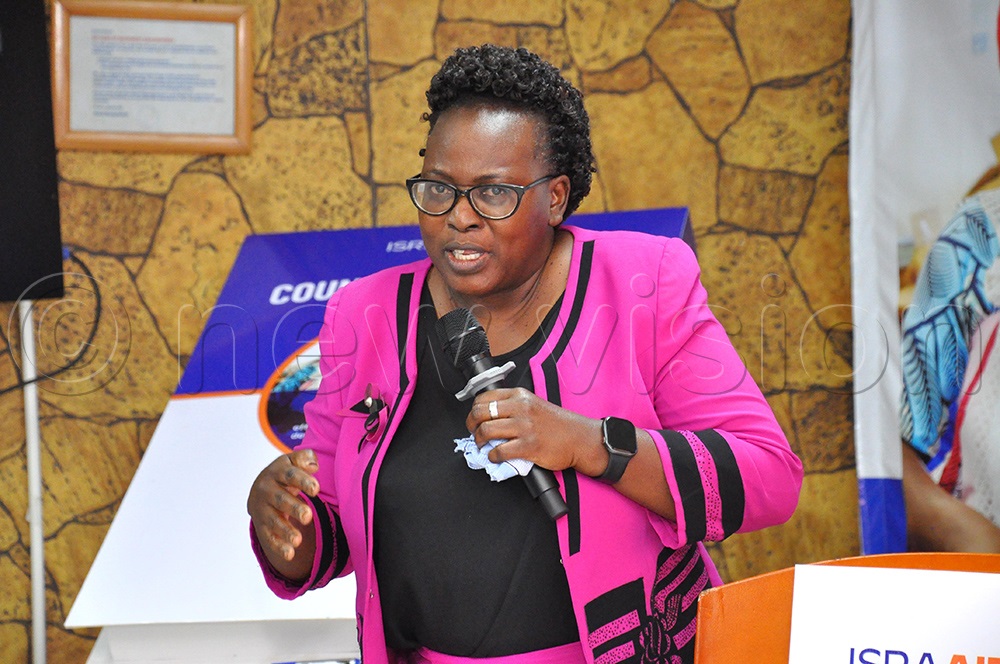
Mary Harriet Ajilong, Commissioner Guidance and Counselling
Mary Harriet Ajilong Commissioner, Guidance and Counselling
Ministry of Education and Sports Photograph: New Vision / Nancy Nanyonga
01
Career Guidance Supporting informed education, training and career choices.
02
Counselling Supporting the personal, emotional and social needs of learners.
03
Psychosocial Support Promoting wellbeing, resilience and safe learning environments.
04
Education Transitions Helping learners navigate subjects, placement and progression.
Message from the Commissioner

Career guidance is becoming more important, not less

It gives me great pleasure to welcome learners, parents, teachers, counsellors, education institutions and all stakeholders to this Career Guidance resource.

Young people today are making educational and career decisions in an environment that is changing faster than at any time before. New technologies are transforming occupations, industries are demanding different competencies, technical and vocational pathways are expanding, and many people will change roles or retrain several times during their working lives.

Career guidance must therefore move beyond telling a learner which profession to choose. It must help that learner understand his or her abilities, values and interests; investigate opportunities; develop relevant competence; make responsible decisions and remain able to adapt throughout life.

The central message

A career is not simply a job title. It is a lifelong journey of discovering abilities, developing knowledge and skills, making responsible choices and using what we learn to create value for ourselves and for society.

Career guidance for today's learner

Six areas that now require greater attention

🧭

Self-Knowledge

Learners need to understand their interests, abilities, personality, values, strengths and areas for development.

🛠️

Competence & Skills

Career preparation should connect academic learning with practical competence, projects, creativity and problem-solving.

🎓

Multiple Pathways

University, TVET, apprenticeship, entrepreneurship and professional training are all legitimate routes to productive life.

💚

Learner Wellbeing

Emotional wellbeing, resilience, relationships and psychosocial support influence both learning and career decision-making.

💻

Digital & AI Readiness

Learners need digital literacy, information skills and responsible understanding of AI and emerging technologies.

🔄

Lifelong Learning

Career development continues after school. People must be prepared to retrain, specialise and adapt as the world changes.
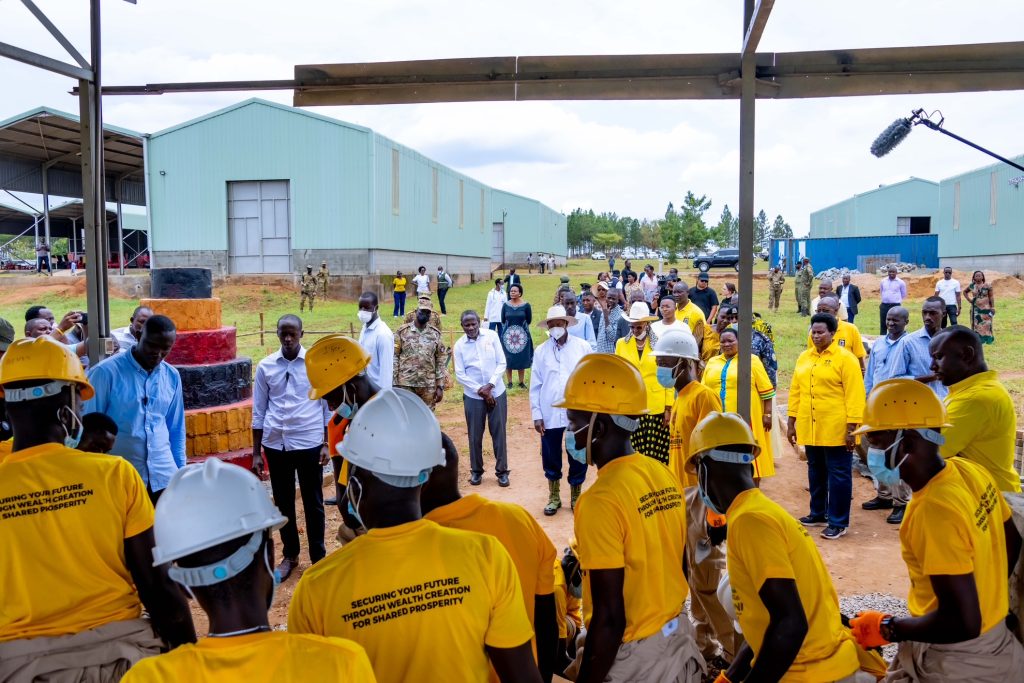
Young people demonstrating practical skills at a Presidential Industrial Skilling Hub
The changing world of education and work

Guidance must connect learning with real opportunities

The learner entering secondary school today will encounter a world shaped by technology, new forms of work, entrepreneurship, automation, practical skills and continuous learning.

Competency-based learning increasingly asks learners to apply knowledge rather than simply reproduce it.
TVET is being strengthened around employability, practical competence and labour-market relevance.
Digital technology and Artificial Intelligence are changing both learning and the future workplace.
Youth enterprise and skilling are creating additional pathways into productive livelihoods.
Wellbeing must be recognised as part of successful learning, career planning and personal development.
Preparing the whole learner

Every learner has potential — but not every learner will follow the same route

One of the most important responsibilities of career guidance is to help young people recognise that successful lives can be built through different education and training pathways.

Some learners will progress through university education. Others will discover their strengths through Technical and Vocational Education and Training, specialised professional education, apprenticeships, entrepreneurship, agriculture, technology, creative industries or other forms of skills development.

These pathways should not be divided into those for successful learners and those for unsuccessful learners.

The right pathway is the one that helps a learner develop his or her potential, acquire useful competence and continue progressing towards a productive and fulfilling life.

Skills for productive life

Academic achievement remains important, but qualifications alone are not enough.

Today's learner must develop the ability to communicate, collaborate, think critically, solve problems, use technology responsibly, create, innovate, manage time and continue learning.

Employers and communities also need people who demonstrate integrity, responsibility, respect, discipline, reliability, initiative and willingness to learn.

Career preparation must therefore bring together knowledge, competence and character.

TVET and practical career pathways

Technical and Vocational Education and Training should be presented to learners as a strong pathway to professional competence, employment, entrepreneurship and further progression.

Skills in electrical installation, mechanics, construction, plumbing, agriculture, welding, fashion, hospitality, ICT, manufacturing, electronics and other technical fields can lead to productive and respected careers.

Parents and teachers must therefore avoid the belief that vocational education is only appropriate for a learner who has failed academically.

Technology, digital careers and Artificial Intelligence

Career guidance itself must respond to the digital environment. Learners now search for courses, scholarships, occupations, universities and jobs online. New careers are emerging around software, digital services, content creation, data, cybersecurity, automation and Artificial Intelligence.

Young people should understand these opportunities while also learning to verify information, protect their privacy, recognise misinformation and use technology ethically.

Artificial Intelligence should strengthen curiosity, creativity and problem-solving rather than replace independent thinking.

Wellbeing is part of career development

Learners cannot be expected to make confident educational or career decisions while experiencing serious emotional distress, bullying, violence, family challenges, unhealthy pressure or social isolation.

Educational guidance, career guidance, counselling and psychosocial support must therefore reinforce one another.

Schools should create environments in which learners know where to seek responsible support without fear of stigma.

Parents and teachers must guide without imposing

Parents and guardians are among the strongest influences on the educational choices of young people. Their role should be to listen, encourage and help learners investigate possibilities rather than forcing every child towards the same small group of professions.

Teachers should also help learners see connections between classroom learning and real-life applications.

Career talks, career days, mentorship, educational visits, interaction with professionals, practical projects and job-shadowing opportunities can give young people a clearer understanding of work beyond school.

Career guidance must start early and continue throughout life

Career guidance should not begin only when a learner is about to leave Primary Seven, Senior Four or Senior Six.

Career awareness should grow progressively. Young children can begin discovering interests and occupations. Older learners can investigate subjects, qualifications, training opportunities and professions. School leavers can then make better informed transition decisions.

Career development also does not end at graduation. A rapidly changing world requires people who can retrain, acquire additional skills and sometimes move into entirely new occupations.

Questions every learner should explore

Career guidance begins with good questions

01 What are my strongest interests, abilities and personal values?
02 Which school subjects and practical activities bring out my strengths?
03 What problems in my community or society would I like to help solve?
04 What education, qualifications and practical training will I need?
05 Which digital, technical and interpersonal skills should I develop?
06 Could I become an employee, entrepreneur, professional or job creator?
07 What alternative pathway can I follow if my first plan changes?
08 How will I continue learning as technology and occupations change?
Career development is a process

From self-discovery to lifelong growth

🌱
Discover Interests, values, abilities and aspirations.
🔎
Explore Careers, courses, professions and training pathways.
🛠️
Develop Academic, practical, digital and interpersonal skills.
🚀
Transition Further study, employment, apprenticeship or enterprise.
🔄
Grow Retrain, specialise and adapt throughout life.
A changing skills environment

Practical skilling is becoming a larger part of the opportunity landscape

Career guidance should help learners understand both formal education and the expanding practical skills opportunities available beyond the traditional academic route.

19 Presidential Zonal Industrial Skilling Hubs operating in the programme reported in 2026.
4,560 Learners reported joining the sixth intake across the existing industrial skilling hubs.
+17 Additional hubs announced as part of plans to widen access to practical vocational training.
Related presidential messages

Watch President Museveni on education, technology, skills and employment

The videos below are not automatically loaded. Click a video when you want to watch it. This keeps the page much lighter and faster.

Education • Science • AI

International Day of Education 2025

President Museveni discusses education, science and technology, Artificial Intelligence and the importance of practical skills.

Skills • Employment

Expanding skills for employment and self-employment

The President discusses practical vocational training, youth unemployment, self-employment and additional courses for the industrial skilling hubs.

TVET • Practical Skills

Practical skills and alternative pathways

President Museveni commissions the Tooro industrial skilling hub and highlights hands-on training for disadvantaged youth.

Archive • Education

Original presidential education message

The original video used in the earlier Career Guidance publication is maintained here as part of its digital history.

Every learner deserves guidance, support and a pathway forward

The purpose of Career Guidance is not to choose a future for a young person. It is to help that young person understand the possibilities, recognise his or her potential, make informed decisions and prepare responsibly for the opportunities and challenges ahead.

Schools, families, counsellors, training institutions, employers and communities therefore share a responsibility to provide learners with reliable information, practical exposure, psychosocial support and encouragement.

I encourage learners to explore this digital resource with curiosity. I encourage teachers and counsellors to use it as a platform for meaningful conversations, and I encourage parents and guardians to explore it together with their children.

Above all, every young person should remember that the future is not something we simply wait for. We prepare for it through the choices we make, the skills we develop, the values we live by and our willingness to keep learning.

Mary Harriet Ajilong Commissioner, Guidance and Counselling Ministry of Education and Sports Proposed Digital Edition • August 2026
About this refreshed edition

This digital presentation has been updated to reflect the current Guidance and Counselling mandate, changing education and training pathways, competency-based learning, TVET, learner wellbeing, digital literacy, Artificial Intelligence, practical skilling and lifelong career development.

The proposed Commissioner's message should be reviewed and approved by the appropriate Ministry office before being represented as an officially issued statement.

3 comments:

  1. This Commissioner has done a lot for Uganda by coming up with this content which KAWA and Learn with Grandma have digitized and modernized.

    George Opiro should be accessible on this platform to answer some of our questions

    ReplyDelete
    Replies
    1. Appreciate your comment! Empowering the next generation with solid career guidance is at the heart of what we do.

      Delete
  2. Any questions regarding my area as Beautician can be handled by myself

    ReplyDelete

KAWA Career Guidance Popular Posts