Busitema University
Busitema University
Busitema University is a public university established in 2007, with its main campus at Busitema in Tororo District, along the Jinja–Tororo highway. It offers training in engineering, education, agriculture, health sciences, management and environmental sciences. This guide explains its campuses, courses, admission requirements, fees and the practical decisions learners and parents need to make before joining.

About Busitema University
Busitema University was created by Statutory Instrument No. 22 of 2007 and opened to its first students in October 2007. It began with training in engineering at Busitema and science and education at Nagongera. It has since expanded into a multi-campus university serving students with different academic interests.
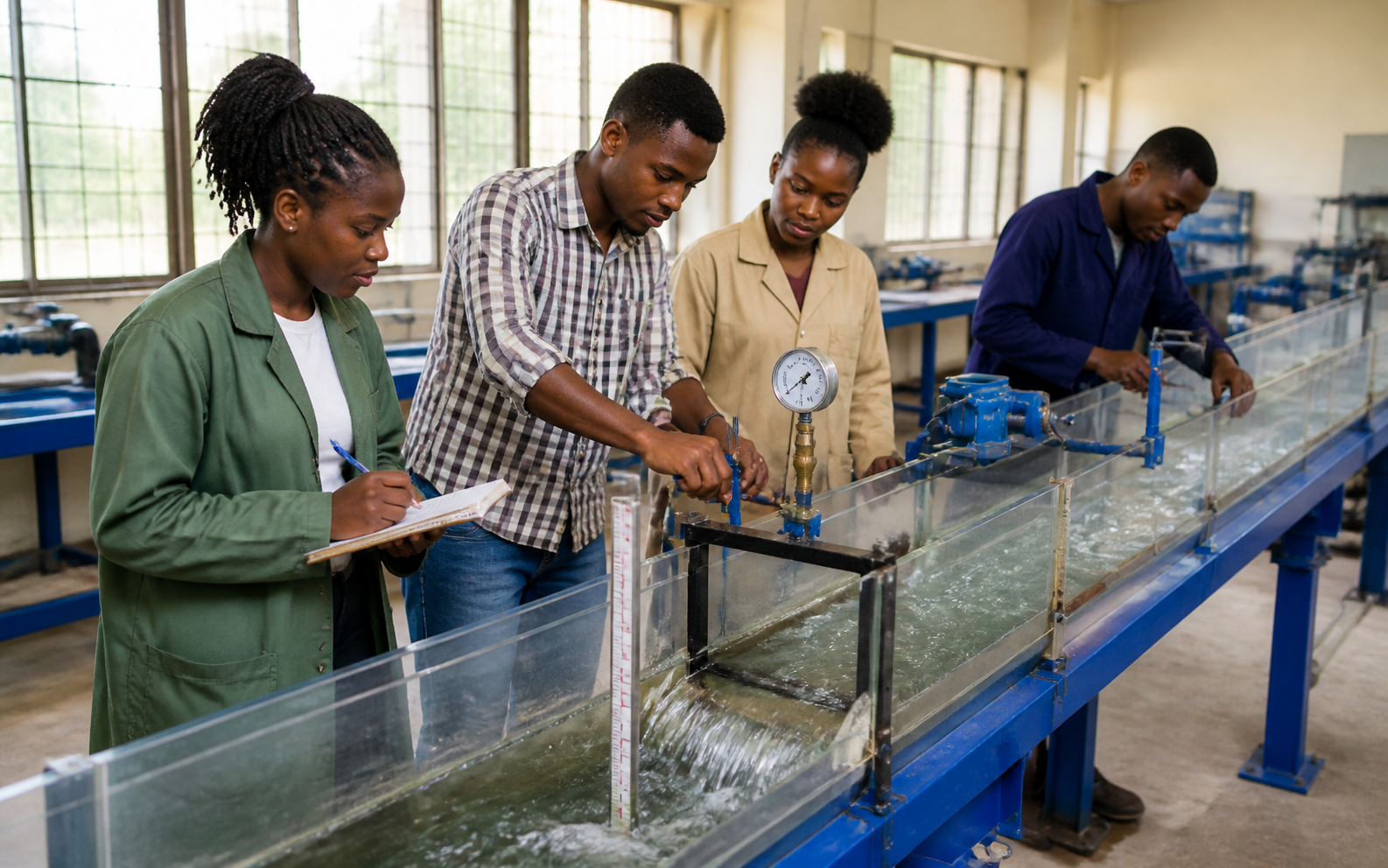
Its vision emphasises excellence in science, technology and innovation. Alongside classroom learning, many programmes involve laboratory work, workshops, field exercises, school practice, clinical placement, research or other supervised practical activities. The type of practical work depends on the course.

Campuses and their locations
The location of a course matters. A parent planning transport, accommodation and daily living expenses should identify the campus first, rather than assuming every student reports to Tororo.
Busitema Main Campus
Situated along the Jinja–Tororo highway and home to the Faculty of Engineering and Technology. This is the principal campus and the seat of major university administrative functions.
Nagongera Campus
Located along the Tororo–Busolwe road. It hosts the Faculty of Science and Education, with programmes in teaching, science, computing and related areas.
Arapai Campus
Located at the former Arapai National Agricultural College on Moroto Road. It hosts the Faculty of Agriculture and Animal Sciences.
Mbale Campus
Associated with Mbale Regional Referral Hospital and home to the Faculty of Health Sciences, where health-related training includes clinical learning.
Namasagali Campus
Hosts the Faculty of Natural Resources and Environmental Sciences and the Maritime Institute programmes listed in the 2026/2027 fees schedule.
Pallisa Campus
Located in Pallisa Town Council. It hosts the Faculty of Management Sciences, including business and public administration programmes.

Entrance to Nagongera Campus, where the Faculty of Science and Education is based.
Faculties, programmes and possible careers
Busitema offers certificates, diplomas, bachelor's degrees and postgraduate programmes. The examples below help learners understand broad subject areas; they do not replace the official programme list or the special entry requirements for each course.
Engineering and Technology
Examples in the 2026/2027 schedule include Computer Engineering, Electrical Engineering, Agricultural Mechanisation and Irrigation Engineering, Mechanical Engineering, Mining Engineering and Water Resources Engineering.
Career directions: engineering practice, industrial systems, ICT and technical innovation, subject to professional requirements.
Agriculture and Animal Sciences
Examples include Agribusiness, Agriculture, Animal Production and Management, and diploma or certificate training in crop and animal production.
Career directions: farm management, agricultural enterprises, extension, production and agribusiness.
Health Sciences
Examples include Medicine and Surgery, Pharmacy, Nursing and Anaesthesia, as well as postgraduate health programmes.
Career directions: patient care, medical services, public health and health research, subject to professional registration.
Science and Education
Examples include Science Education, Education Primary, Information Technology, Computer Science, Statistics and laboratory technology diplomas.
Career directions: teaching, computing, scientific research, statistics and laboratory work.
Management Sciences
Examples include Business Administration, Procurement and Supply Chain Management, Public Administration, Entrepreneurship Development and Management, and Tourism and Travel Management.
Career directions: enterprise management, procurement, public service, tourism and administration.
Natural Resources and Environmental Sciences
Examples include Fisheries and Water Resource Management and Natural Resource Economics. The Maritime Institute also lists marine and nautical engineering programmes.
Career directions: conservation, fisheries, environmental planning and water-related industries.

How to choose a suitable course
A good course choice begins with the learner's strengths, subject combination, results, interests and the work they may want to do in future. Parents can guide this discussion without selecting a programme only because it sounds prestigious.
Interested in machines and technology?
Explore engineering, computing and related technology programmes. Pay close attention to Mathematics, Physics and other subject requirements listed for the chosen course.
Interested in medicine and caring for people?
Explore health sciences. Check the prescribed science subjects, competition for places, course duration and clinical training expectations.
Interested in farming and food production?
Explore agriculture, animal sciences and agribusiness. These areas can lead to employment, self-employment and community-based enterprise.
Interested in becoming a teacher?
Review education programmes and the teaching subjects linked to your A-level combination. Discuss the different pathways into primary and secondary teaching.
Interested in business and organisations?
Consider business administration, entrepreneurship, procurement, tourism or public administration, depending on course eligibility.
Interested in the environment and water?
Explore natural resources, fisheries and environmental programmes. Ask about fieldwork and practical placement opportunities.
- Shortlist three or four programmes. Write down the full course name and campus for each.
- Compare eligibility. A learner may satisfy the general university requirement but not the specific subject requirement for a particular course.
- Discuss career possibilities. Ask what work is involved, where graduates may work, and what additional training or professional registration may be needed.
- Calculate the complete cost. Include tuition, university charges, accommodation, meals, transport, supplies and unforeseen expenses.
- Make a realistic order of choices. Admission depends on qualifications, competition, places available and the university's published procedures.
Admission requirements explained
Applicants must meet both the general university entry standard and any additional course-specific conditions. The minimum requirements published by Busitema include the following:
For direct entry to a bachelor's degree
- UCE with at least five passes, together with the required UACE qualifications.
- At least two principal passes at UACE in the prescribed subjects, obtained at the same sitting.
- Some courses require particular subjects or grades; meeting the general minimum alone does not guarantee admission.
For entry to a diploma
- Busitema's published general diploma standard states at least one principal pass and two subsidiary passes in principal subjects at UACE, from the same year of sitting.
- Other entry routes may be defined for specific programmes.
- Read the exact entry conditions in the current advertisement.
For diploma holders seeking a degree
The university's general guidance states that diploma applicants should have attained at least a credit, together with any specific requirements for the intended degree. Read the current diploma-holder scheme carefully because competition and equivalence rules apply.
Other qualifications and pathways
Some certificates, vocational qualifications and recognised equivalent or foreign qualifications may be accepted through approved entry routes. Where applicable, foreign qualifications may need formal equivalence assessment. Enquire through the Academic Registrar before applying.
How to apply to Busitema University
Applications are handled through the university's official online admission system when a scheme is open. An admission advert from an earlier intake is not proof that applications are currently open. First check the current intake, scheme, eligibility, fee and closing date on the university website.
- Open the official admission announcements. Find the correct intake and admission route: A-level direct entry, diploma-holder entry, postgraduate or another published scheme.
- Read the programme conditions. Confirm the course, campus, duration, prescribed subjects and any restrictions that apply to the scheme.
- Prepare documents and contact details. Have your correct names, academic details, accessible personal email address and active mobile number. Ensure your names agree with your academic documents.
- Create an application account. Use the official application portal. Register with accurate personal details. The university's application guide warns that some registration fields cannot later be edited.
- Choose the running scheme and complete the form. Enter academic information, programme choices and any required supporting documents. Save sections as directed by the portal.
- Follow the approved payment instructions. Generate the payment advice or reference from the official system and pay only through the prescribed channel. Keep your receipt or proof of payment.
- Submit and retain proof. Review your entries carefully; submit the application and keep the application number, confirmation and copies of the documents.
- Check the official admission results. Follow the university's admission lists and portal instructions. If admitted, obtain your admission letter and the current joining instructions.

Tuition fees, other charges and financial support
The cost of studying depends on the programme and student category. The university publishes a detailed annual fee schedule. The following examples come from the 2026/2027 published schedule for East African students. They are programme tuition figures shown in that document, not a complete estimate of all fees, accommodation and living costs.
| Example programme | Campus | Listed programme tuition (UGX) | Published duration |
|---|---|---|---|
| Bachelor of Agribusiness | Arapai | 1,100,000 | 3 years |
| BSc Computer Engineering | Busitema | 1,250,000 | 4 years |
| BSc Computer Science | Nagongera | 1,100,000 | 3 years |
| Bachelor of Science Education | Nagongera | 950,000 | 3 years |
| Bachelor of Medicine and Bachelor of Surgery | Mbale | 2,000,000 | 5 years |
| Bachelor of Business Administration | Pallisa | 850,000 | 3 years |
| BSc Fisheries and Water Resource Management | Namasagali | 1,100,000 | 3 years |
These are selected entries from the official fee schedule, reproduced for guidance. Do not interpret any figure as a full yearly budget or final invoice. Check the university's published charging period, your sponsorship status, functional fees, placement charges and the actual student bill before paying. Fees may be revised for later intakes.
Additional university charges
The 2026/2027 schedule separately lists applicable charges such as registration, examinations, library, research, computer services, development, ID card, sports, guild and medical fees. Some programmes also have industrial training, recess or school practice requirements.
Living and study expenses
Parents should also plan for accommodation, food, transport, personal care, data and internet access, stationery, textbooks, protective clothing or practical materials where required, and emergencies.
A practical budget to prepare before reporting
| Budget item | What a parent or learner should confirm |
|---|---|
| Tuition | The exact programme charge and whether the bill is issued per semester or another period. |
| Functional fees | All compulsory charges appearing on the current fee schedule and individual invoice. |
| Accommodation | Actual cost at the admitted campus, availability, safety and payment arrangements. |
| Meals and basic needs | A realistic weekly allowance agreed upon by the household and student. |
| Course materials | Laboratory coats, equipment, books, printing, data or other course-specific supplies. |
| Travel and emergencies | Transport to campus, return travel and a modest reserve for unforeseen needs. |
Government sponsorship and scholarships
Busitema's 2026/2027 admission information lists government-sponsored places under relevant schemes as well as private sponsorship. The university also published information about a Compassionate Scholarship Scheme during the 2026/2027 admission cycle. Such opportunities have separate eligibility criteria, selection procedures and dates; they should not be assumed to be available to every applicant or continuously open.
Parents should ask about support early, read the official criteria and keep relevant records. No individual should demand a private payment in exchange for a government-sponsored place or scholarship.
What parents and guardians should do
Joining university is a major step in a young person's education. Financial support matters, but so do realistic expectations, safe living arrangements, regular communication and the learner's ability to manage time and money responsibly.
Before an application
- Discuss the learner's interests, academic record and realistic course options.
- Check the programme and prescribed A-level subjects together.
- Read the official fee schedule and agree on an affordable funding plan.
- Check whether the learner will study at Busitema, Nagongera, Arapai, Mbale, Namasagali or Pallisa.
- Use official admission information rather than rumours or promises of guaranteed places.
Before reporting
- Verify the admission letter and reporting instructions.
- Contact the university about approved accommodation where necessary.
- Confirm the route, travel date, hostel location and campus contacts.
- Discuss personal safety, emergency contacts and responsible use of money.
- Help the learner organise original academic documents and secure copies.
During the first semester
- Encourage attendance at orientation, lectures and practical sessions.
- Agree on a regular but reasonable communication routine.
- Talk openly about academic pressure, personal wellbeing and finances.
- Encourage early contact with campus staff when a serious problem arises.
- Support responsible independence rather than making every decision for the student.
Questions to ask the university
- Which campus will the student attend?
- Which fees are due before registration, and how are payments verified?
- What accommodation options are recognised or recommended?
- Does the course require fieldwork, industrial training or placement?
- Which office handles student welfare, disability support and counselling?

After admission: preparing to join campus
Once the university confirms admission, the student should read the joining instructions for the correct academic year rather than relying on a friend's instructions from a previous intake.
Documents to organise
- Admission letter and any joining forms required by the university.
- Original UCE and UACE result documents or other qualifying records as instructed, together with copies.
- National ID or other accepted identification, where applicable.
- Payment references and receipts from approved payment channels.
- Any additional documents specifically required by the campus or programme.
What to do upon arrival
- Report to the correct campus and locate the Campus Registrar's office.
- Complete enrolment, registration and student welfare processes by the published dates.
- Attend orientation and learn how to access the university portal, timetable and library.
- Find your classrooms, workshops, laboratories or clinical reporting points.
- Obtain guidance from the Dean of Students about welfare and accommodation issues.
University study expects regular attendance, independent reading, coursework, practical assignments and examinations. Students should learn to check official notices, respect academic integrity, ask for help early and develop a manageable study schedule.
Frequently asked questions
Is Busitema University a public or private university?
It is a public university. However, it admits students under different sponsorship categories. Public-university admission does not automatically mean that tuition is paid by government.
Is Busitema University only in Tororo?
No. The main campus is in Tororo District, but the six operational campuses listed in the 2026/2027 joining guidance are Busitema, Nagongera, Arapai, Mbale, Namasagali and Pallisa. Kaliro is listed as not yet operational in those instructions.
Can a learner with two principal passes join any degree course?
No. Two prescribed principal passes are part of the general direct-entry requirement, not an automatic offer. Individual programmes may require specific A-level subjects, higher grades or competitive selection.
Can a diploma holder apply for a degree?
Yes, relevant diploma-holder entry routes exist. The university's general guidance specifies at least a credit for diploma applicants, together with programme-specific conditions. Check the current scheme for eligible qualifications and places.
Does government sponsorship cover every university expense?
No single answer applies to all students. Sponsorship terms vary, and students may still need money for meals, personal needs, transport, accommodation or other charges. Read the conditions of the actual offer.
How do parents know that a payment request is genuine?
Check the student's admission portal, official university invoice and published payment instructions. Do not transfer tuition to private individuals or unverified mobile money numbers. Ask the Academic Registrar or Bursar's office if the request is unclear.
How can a learner find accommodation?
Start with the Dean of Students at the relevant campus. Ask about available university accommodation and recognised private hostel options, and verify location, safety, conditions and payment terms before paying.
Are applications for the next intake already open?
Opening and closing dates depend on the advertised academic year and admission scheme. Check the university's live admission adverts and portal for the current status; do not assume an older announcement is still active.
Contact Busitema University
If a family needs clarification about a course, admission, fees or a change of programme, the safest first step is to contact the university using its official channels.
University address
Busitema University
Main Campus, Jinja–Tororo highway
P.O. Box 236, Tororo, Uganda
Website: www.busitema.ac.ug
General telephone: +256 454 448 808
Academic Registrar's Office
Admission enquiries:
+256 774 682 635
+256 772 675 823
Email: ar.acadreg@busitema.ac.ug
Student welfare email: dean@dos.busitema.ac.ug
Useful official links
For best results, view this page online. The photographs are loaded from university websites and require internet access. Information reviewed against official 2026/2027 university publications.


Thanks for the link to Busitema university
ReplyDelete