Guiding Every Learner Towards a Purposeful Future
Career guidance must help every learner understand who they are, discover what they can become, develop relevant skills and make informed choices in a world of rapidly changing education, technology and work.
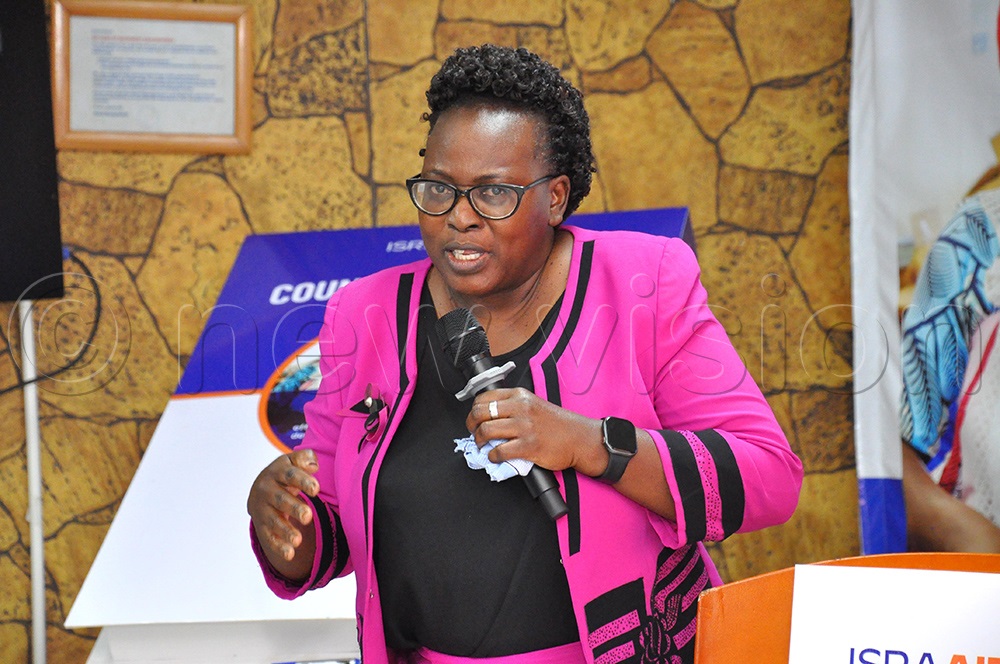
Ministry of Education and Sports Photograph: New Vision / Nancy Nanyonga
Career guidance is becoming more important, not less
It gives me great pleasure to welcome learners, parents, teachers, counsellors, education institutions and all stakeholders to this Career Guidance resource.
Young people today are making educational and career decisions in an environment that is changing faster than at any time before. New technologies are transforming occupations, industries are demanding different competencies, technical and vocational pathways are expanding, and many people will change roles or retrain several times during their working lives.
Career guidance must therefore move beyond telling a learner which profession to choose. It must help that learner understand his or her abilities, values and interests; investigate opportunities; develop relevant competence; make responsible decisions and remain able to adapt throughout life.
A career is not simply a job title. It is a lifelong journey of discovering abilities, developing knowledge and skills, making responsible choices and using what we learn to create value for ourselves and for society.
Six areas that now require greater attention
Self-Knowledge
Learners need to understand their interests, abilities, personality, values, strengths and areas for development.
Competence & Skills
Career preparation should connect academic learning with practical competence, projects, creativity and problem-solving.
Multiple Pathways
University, TVET, apprenticeship, entrepreneurship and professional training are all legitimate routes to productive life.
Learner Wellbeing
Emotional wellbeing, resilience, relationships and psychosocial support influence both learning and career decision-making.
Digital & AI Readiness
Learners need digital literacy, information skills and responsible understanding of AI and emerging technologies.
Lifelong Learning
Career development continues after school. People must be prepared to retrain, specialise and adapt as the world changes.

Guidance must connect learning with real opportunities
The learner entering secondary school today will encounter a world shaped by technology, new forms of work, entrepreneurship, automation, practical skills and continuous learning.
Career guidance begins with good questions
From self-discovery to lifelong growth
Practical skilling is becoming a larger part of the opportunity landscape
Career guidance should help learners understand both formal education and the expanding practical skills opportunities available beyond the traditional academic route.
Connecting career information with the real world


Watch President Museveni on education, technology, skills and employment
The videos below are not automatically loaded. Click a video when you want to watch it. This keeps the page much lighter and faster.
International Day of Education 2025
President Museveni discusses education, science and technology, Artificial Intelligence and the importance of practical skills.
Expanding skills for employment and self-employment
The President discusses practical vocational training, youth unemployment, self-employment and additional courses for the industrial skilling hubs.
Practical skills and alternative pathways
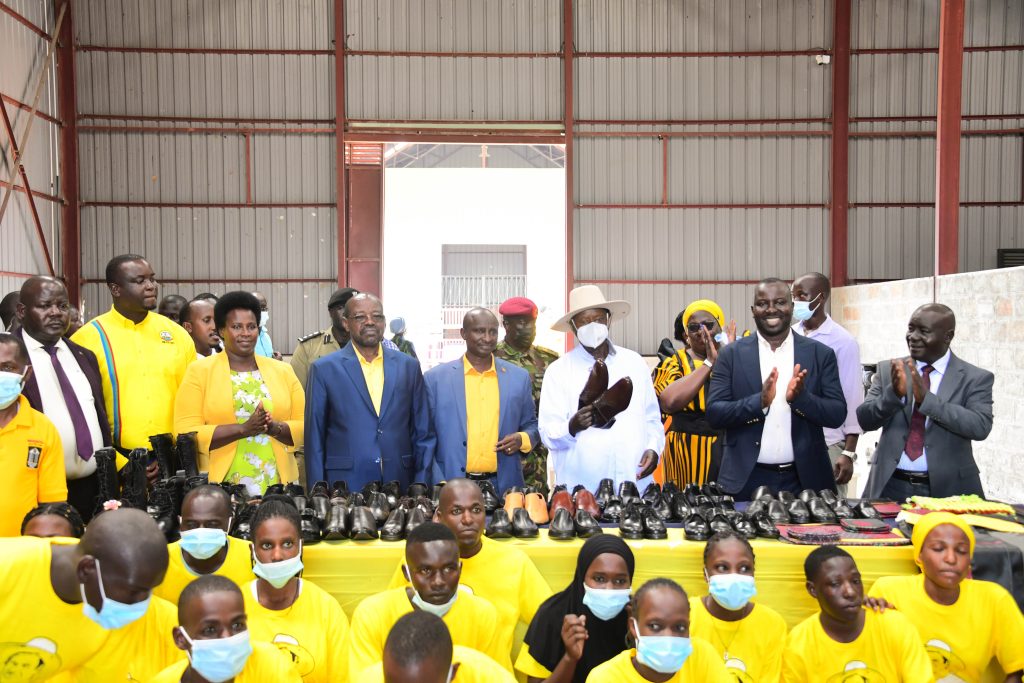
President Museveni commissions the Tooro industrial skilling hub and highlights hands-on training for disadvantaged youth.
Original presidential education message
The original video used in the earlier Career Guidance publication is maintained here as part of its digital history.
Every learner deserves guidance, support and a pathway forward
The purpose of Career Guidance is not to choose a future for a young person. It is to help that young person understand the possibilities, recognise his or her potential, make informed decisions and prepare responsibly for the opportunities and challenges ahead.
Schools, families, counsellors, training institutions, employers and communities therefore share a responsibility to provide learners with reliable information, practical exposure, psychosocial support and encouragement.
I encourage learners to explore this digital resource with curiosity. I encourage teachers and counsellors to use it as a platform for meaningful conversations, and I encourage parents and guardians to explore it together with their children.
Above all, every young person should remember that the future is not something we simply wait for. We prepare for it through the choices we make, the skills we develop, the values we live by and our willingness to keep learning.